Startups, Construction, and the Future of Europe: Notes from Malta
A few days in Malta gave me a fascinating look into Europe’s evolving startup scene. From relationship-driven construction markets to leaner, more disciplined startup ecosystems, the contrasts with the U.S. were impossible to ignore. All of it set against the backdrop of a rapidly growing island filled with cranes, ancient stone buildings, and conversations about Europe’s technological future.
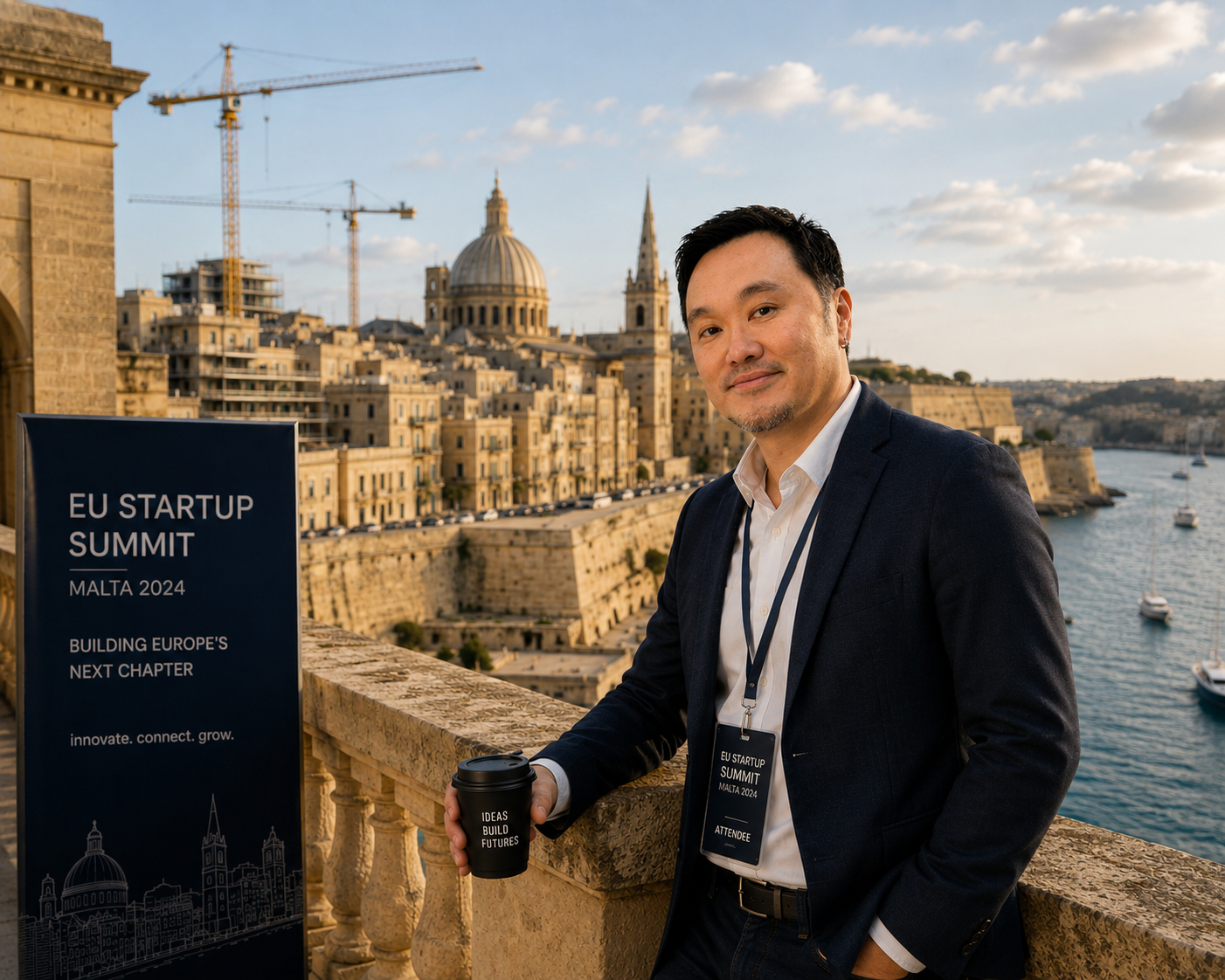
I recently spent a few days in Malta attending startup events and meeting founders, investors, and construction companies from across Europe at Startup EU. I came away with a few observations that really stuck with me.
One of the biggest was how relationship-driven the construction industry still is in Malta. Open bidding seems far less common than in the EU or US, and many projects move through long-established networks and trusted relationships. For a startup like Blueprint Crusher, it reinforced how important trust and reputation are in this industry. Construction is still very much a people business.
The startup side was interesting too. European founders generally have to do more with less. Funding rounds are smaller, investors move carefully, and even at the pre-seed stage there’s a much bigger expectation around traction and revenue than what you often hear about in the U.S. The upside is that many of the founders I met were incredibly practical and resourceful. Less hype, more focus on building real businesses.
Malta itself was an incredible setting for all of this. The event was held inside a restored 16th-century hospital built by the Knights of St. John. Walking through centuries-old stone halls while people pitched AI, robotics, and defense startups created this strange but meaningful contrast between old Europe and the future being built inside it.
Outside the conference, construction cranes were everywhere. Malta feels like it’s growing in real time. New apartments, hotels, infrastructure, and developments are reshaping the island rapidly.
One thing I noticed repeatedly in conversations was a growing European sentiment around reducing reliance on the United States, especially in technology, infrastructure, defense, and AI. Founders and investors openly discussed the importance of European-built systems, European capital, and more independent technology ecosystems moving forward.
It definitely felt like Europe’s startup scene is entering a new phase — leaner, more cautious, but also more focused and strategic than before.